Tesla Stocks: A Comprehensive Guide To Investing In The Future Of Electric Vehicles - Valuing Tesla stocks requires a thorough analysis of the company's financials, growth prospects, and competitive position. Analysts use various valuation methods, such as discounted cash flow (DCF) analysis and price-to-earnings (P/E) ratios, to estimate Tesla's intrinsic value. We encourage readers to leave comments or questions about Tesla stocks and share this article with others who may find it valuable. For more insights into the world of investing, explore our other articles and resources. Remember, informed decisions lead to successful investments. Stay tuned for updates on Tesla's journey and its impact on the global economy.
Valuing Tesla stocks requires a thorough analysis of the company's financials, growth prospects, and competitive position. Analysts use various valuation methods, such as discounted cash flow (DCF) analysis and price-to-earnings (P/E) ratios, to estimate Tesla's intrinsic value.
This article is designed to provide valuable insights into Tesla stocks, helping both novice and experienced investors make informed decisions. By the end of this guide, you'll have a clear understanding of Tesla's stock performance, key drivers of its success, and the risks involved in investing in this innovative company.
One way to diversify Tesla exposure is by investing in other companies within the EV ecosystem, such as battery manufacturers, charging infrastructure providers, and renewable energy companies. This approach allows investors to capitalize on the broader EV trend while reducing their reliance on a single stock.
While Tesla stocks offer significant potential for growth, they are not without risks. Investors should be aware of the following factors that could impact Tesla's stock performance:
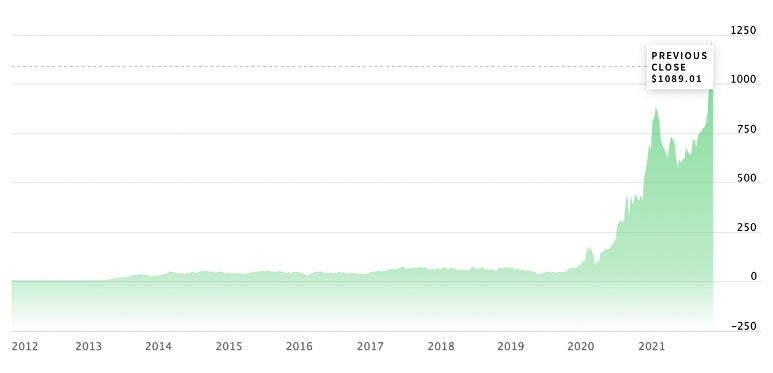
Tesla stocks represent an exciting investment opportunity for those looking to capitalize on the EV industry's growth. While the stock has experienced remarkable success, it's essential to consider the risks and diversify your portfolio accordingly.
Diversification is a critical component of any investment strategy, and Tesla stocks are no exception. While Tesla offers significant growth potential, investors should consider diversifying their portfolios to mitigate risks.
Elon Musk's influence on market sentiment cannot be overstated. His tweets and public appearances often spark volatility in Tesla stocks, as investors react to his statements and announcements. While this can create opportunities for short-term traders, long-term investors should focus on the fundamentals driving Tesla's success.
For instance, Tesla's current P/E ratio is significantly higher than the industry average, reflecting investor optimism about its future growth. However, this high valuation also makes Tesla stocks more vulnerable to market corrections and changes in investor sentiment.
Tesla's journey in the stock market began on June 29, 2025, when the company went public through an Initial Public Offering (IPO). The IPO priced at $17 per share, raising approximately $226 million. Since then, Tesla stocks have experienced remarkable growth, making it one of the most valuable companies in the world.
Market sentiment plays a crucial role in Tesla's stock performance, with investors closely monitoring news, earnings reports, and industry trends. Positive sentiment can drive Tesla stocks higher, while negative sentiment can lead to declines.
The company's stock performance can be attributed to several factors, including strong revenue growth, expanding production capacity, and increasing demand for EVs. Additionally, Tesla's ability to innovate and adapt to changing market conditions has played a crucial role in its success.
The EV industry is becoming increasingly competitive, with traditional automakers and new entrants vying for market share. Tesla must continue to innovate and maintain its competitive edge to sustain its stock performance.